As we approach 2025, the educational landscape continues to evolve, and with it, the tools used to measure student progress. One such tool is the NWEA MAP (Measures of Academic Progress) assessment, which has become a cornerstone in evaluating student growth and achievement. In this blog post, we’ll explore what nwea score chart 2025 mean, how they are used, and what parents and educators can expect in 2025.
What Are NWEA MAP Scores?
NWEA MAP scores are derived from a series of adaptive tests designed to measure a student’s academic progress in subjects like reading, mathematics, and science. Unlike traditional standardized tests, the MAP assessment is adaptive, meaning the difficulty of the questions adjusts based on the student’s responses. This allows for a more accurate measurement of a student’s abilities, regardless of their grade level.
The scores are reported in RIT (Rasch Unit) scores, which provide a consistent scale for tracking student growth over time. RIT scores range from about 100 to 300, with higher scores indicating greater proficiency in the subject area.
Why Are NWEA MAP Scores Important?
NWEA MAP scores serve multiple purposes in the educational ecosystem. For educators, these scores provide valuable insights into a student’s strengths and areas for improvement, allowing for targeted instruction and intervention. For parents, MAP scores offer a clear picture of their child’s academic progress and help identify areas where additional support may be needed.
Moreover, MAP scores are often used to inform decisions about curriculum development, resource allocation, and even school accountability. As we look ahead to 2025, the importance of these scores is only expected to grow, particularly as schools continue to focus on personalized learning and data-driven instruction.
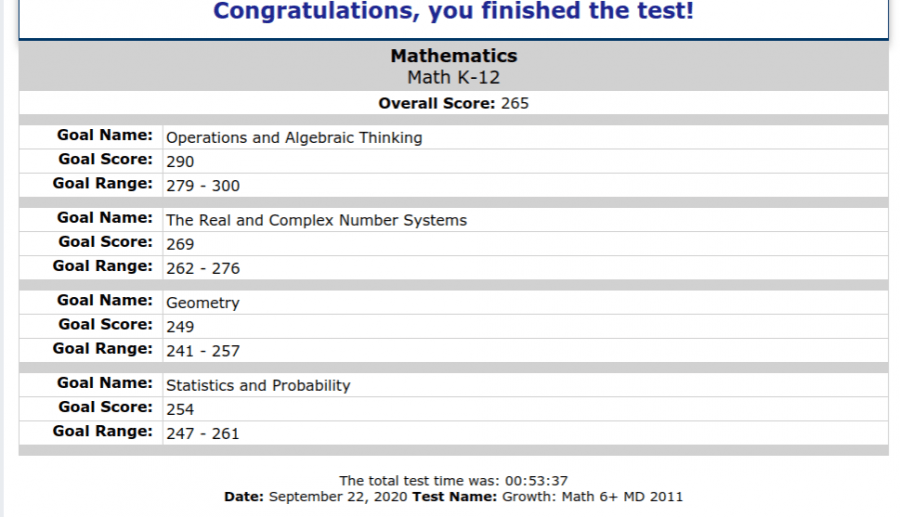
What’s New in NWEA MAP Scores for 2025?
As we move closer to 2025, several trends and developments are likely to impact how NWEA MAP scores are used and interpreted. Here are a few key areas to watch:
1. Increased Emphasis on Growth Over Proficiency
In recent years, there has been a shift in focus from simply measuring proficiency to tracking student growth over time. This trend is expected to continue in 2025, with educators placing greater emphasis on how much progress a student has made, rather than just where they stand relative to grade-level expectations. NWEA MAP scores are particularly well-suited for this purpose, as they provide a detailed picture of a student’s growth trajectory.
2. Integration with Personalized Learning Platforms
As personalized learning becomes more prevalent, NWEA MAP scores are likely to be integrated with digital learning platforms that tailor instruction to individual student needs. In 2025, we can expect to see more schools using MAP data to create customized learning paths for students, ensuring that each child receives the support they need to succeed.
3. Greater Focus on Equity and Inclusion
Equity in education has become a major priority, and NWEA MAP scores are increasingly being used to identify and address disparities in student achievement. In 2025, educators will likely use MAP data to implement targeted interventions for historically underserved populations, ensuring that all students have the opportunity to reach their full potential.
4. Enhanced Data Analytics and Reporting
Advancements in data analytics are expected to enhance the way NWEA MAP scores are reported and interpreted. By 2025, educators and parents may have access to more sophisticated tools for analyzing MAP data, including predictive analytics that can forecast future performance and identify potential areas of concern before they become significant issues.
How Can Parents and Educators Prepare for NWEA MAP Scores in 2025?
As we look ahead to 2025, there are several steps parents and educators can take to make the most of NWEA MAP scores:
1. Familiarize Yourself with the RIT Scale
Understanding the RIT scale is crucial for interpreting MAP scores. Parents and educators should take the time to learn how RIT scores are calculated and what they mean in terms of student performance. This knowledge will help you better understand your child’s progress and identify areas where they may need additional support.
2. Use MAP Data to Inform Instruction
Educators should use MAP scores to guide their instructional strategies, focusing on areas where students need the most help. By aligning instruction with MAP data, teachers can ensure that their lessons are targeted and effective, leading to better outcomes for students.
3. Communicate with Students and Parents
Open communication between educators, students, and parents is key to making the most of NWEA MAP scores. Teachers should regularly discuss MAP results with students and their families, setting goals and creating action plans for improvement. This collaborative approach can help students stay motivated and engaged in their learning.
4. Stay Informed About Changes and Updates
As the educational landscape continues to evolve, it’s important to stay informed about any changes or updates to the NWEA MAP assessment. By keeping up with the latest developments, parents and educators can ensure that they are using MAP scores in the most effective way possible.
Conclusion
NWEA MAP scores are a powerful tool for measuring student growth and achievement, and their importance is only expected to grow as we approach 2025. By understanding how these scores are calculated and used, parents and educators can make informed decisions that support student success. As we look ahead, the focus on growth, personalized learning, equity, and data analytics will continue to shape the way NWEA MAP scores are used, ensuring that all students have the opportunity to reach their full potential.
 Nwea Map Scores 2025